Kayaking
Kayaking is a versatile and enjoyable water sport that can be adapted to various skill levels and environments. Here's what you need to know about this popular activity:
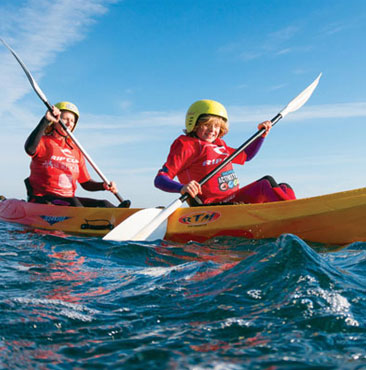
- Equipment: Kayaks come in different types, including sit-on-top kayaks, recreational kayaks, touring kayaks, and whitewater kayaks. They vary in size, shape, and materials, depending on the intended use. You'll also need a paddle and, optionally, safety gear like a life jacket and helmet, especially for whitewater kayaking.
- Types of Kayaking:
- Recreational Kayaking: This is the most common form of kayaking, suitable for beginners and casual paddlers. Recreational kayaks are stable and easy to maneuver, making them ideal for calm waters like lakes, ponds, and slow-moving rivers.
-
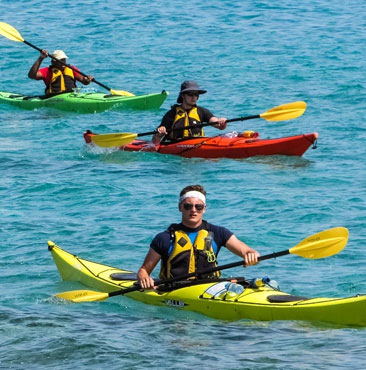
Sea Kayaking: Sea kayaking involves paddling along coastal waters, exploring sea caves, arches, and remote coastlines. Sea kayaks are longer and narrower than recreational kayaks, offering better speed and tracking in open water.
-
Whitewater Kayaking: For adrenaline seekers, whitewater kayaking involves navigating rapids and fast-flowing rivers. Whitewater kayaks are designed to be maneuverable and durable, with features like rocker and buoyancy to handle turbulent water.
-
Kayak Fishing: Fishing kayaks are specifically designed for anglers, with features like rod holders, storage compartments, and stability for casting lines and reeling in fish.
-
Kayak Touring: Touring kayaks are designed for multi-day expeditions, with ample storage space for gear and provisions. They offer stability, comfort, and efficiency for long-distance paddling.
- Techniques: Learning basic paddling techniques, such as forward stroke, sweep stroke, and draw stroke, is essential for efficient and enjoyable kayaking. Proper body positioning, grip, and paddle placement will help you navigate effectively and conserve energy on the water.
- Safety: Always wear a properly fitted life jacket, especially when kayaking in open water or whitewater. Check weather conditions and water levels before heading out, and avoid kayaking alone in remote or hazardous areas. Learn basic rescue techniques and how to perform a wet exit in case of capsizing.
- Health Benefits: Kayaking provides a full-body workout, engaging muscles in the arms, shoulders, back, and core. It's a low-impact activity that improves cardiovascular fitness, strength, and flexibility while enjoying nature and the outdoors.
- Community: Kayaking is a social activity enjoyed by individuals, families, and groups. Joining kayak clubs, attending paddling events, and participating in guided tours are great ways to connect with other paddlers and explore new waters.
Whether you're seeking adventure, relaxation, or a new way to stay active, kayaking offers endless opportunities to experience the beauty and tranquility of the water.